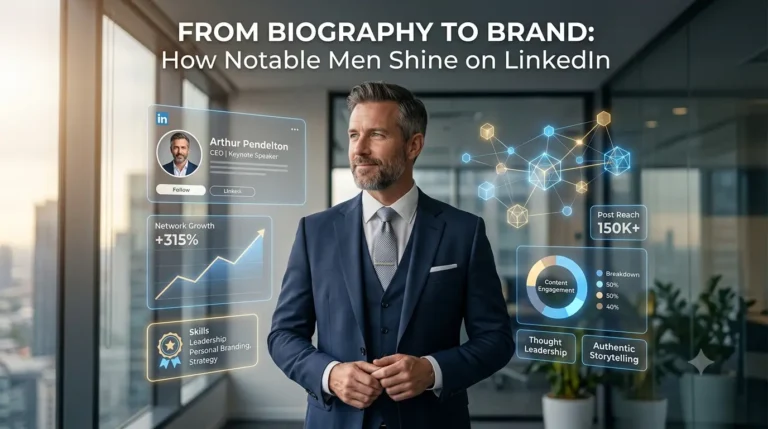
A professional profile is often the first impression people have of you online. Before a conversation begins, a meeting is scheduled, or a new opportunity appears, someone may already be looking at your LinkedIn profile. That is why creating a strong profile is no longer simply about listing your job title and previous positions.
Today, people want to understand the person behind the experience. They want to know what you do, what you care about, what you have achieved, and what makes your professional journey different.
This is where Notable men LinkedIn can become part of a broader conversation about professional visibility, personal branding, and meaningful career stories. A strong LinkedIn presence does not have to feel overly polished or promotional. In many cases, the profiles that stand out most are the ones that feel genuine.
Start With a Clear Professional Identity
A good LinkedIn profile should quickly answer a simple question: Who are you professionally?
Your name, headline, profile photo, and About section work together to create that first impression. Instead of trying to mention everything you have ever done, focus on the experience and expertise that best represent where you are today.
For example, a headline that simply says “Business Executive” may tell people your position, but it does not tell them much about your strengths or interests. A more descriptive headline can communicate your area of expertise and the kind of value you bring.
Your profile should make sense to someone who has never met you before.
Use Your Headline to Tell More of Your Story
The headline is one of the most visible parts of a LinkedIn profile. It deserves more thought than simply copying your current job title.
A strong headline can combine your professional role, area of expertise, and the kind of work you are passionate about. It should remain natural rather than sounding like an advertisement.
Think of it as a short introduction.
Someone visiting your profile should be able to understand your professional direction without having to read your entire career history.
Make Your About Section Feel Human
Many professionals struggle with the About section because they feel they need to sound extremely formal. In reality, a human and straightforward introduction can be much more engaging.
Talk about your experience in a way that sounds like you. Explain what motivated you, what you have learned, and what areas of work interest you today.
You do not need to tell your entire life story. A few thoughtful paragraphs can be more effective than a long block of corporate language.
Your About section should help the reader understand not only what you do, but also why you do it.
Show Experience Instead of Only Listing It
A list of job titles provides information, but it does not necessarily tell a compelling professional story.
Instead of simply writing the responsibilities associated with a position, explain meaningful contributions, projects, lessons, or results. Consider what changed because of your work.
This approach gives people a better understanding of your experience.
LinkedIn itself recommends keeping relevant work and education experiences updated and using profile sections to showcase skills and expertise. A complete profile can also improve discoverability within LinkedIn.
Choose a Professional Photo That Feels Authentic
Your profile photo does not need to look like a corporate magazine cover. It should simply be clear, current, professional, and representative of you.
A genuine photograph can make a profile feel more approachable. It also helps people recognize you when they meet you online or in person.
Your photo is part of your professional identity, so avoid using an outdated picture or an image that makes it difficult to identify you.
LinkedIn notes that a professional profile photo can help establish credibility and make a profile more noticeable.
Highlight Skills That Actually Matter
A common mistake is adding every possible skill simply to make a profile appear complete.
A better approach is to focus on skills that are relevant to your current career direction. Think about the abilities that colleagues, clients, employers, or business partners would associate with you.
Your selected skills should support the story told by your headline, About section, and work experience.
Consistency matters.
When every part of the profile points toward a clear professional identity, the profile becomes easier to understand and remember.
Let Achievements Add Proof
People naturally trust evidence more than vague claims.
Instead of saying that you are an excellent leader, consider explaining how you have led teams, developed projects, solved challenges, or supported people through change.
Achievements do not always have to involve impressive numbers or major awards. Sometimes a meaningful project, successful collaboration, professional milestone, or lesson learned says much more about your capabilities.
This is one reason stories featured through Notable Men can add another perspective to professional visibility. Recognition becomes more meaningful when it reflects the experiences, decisions, and values behind a person’s career.
Be Consistent Beyond Your Profile
A strong profile is only one part of professional visibility.
What you share, comment on, and discuss can also influence how people perceive your expertise. You do not need to post every day or try to become an online personality.
Instead, share useful ideas when you have something worthwhile to contribute.
Talk about lessons from your industry. Discuss professional experiences. Recognize people who have helped you. Share thoughtful perspectives on developments that matter to your field.
Over time, these small actions can make your professional identity feel more complete.
Authenticity Is Becoming More Valuable
Professional branding used to be strongly associated with polished language and impressive achievements. Today, authenticity has become equally important.
People can usually tell when a profile feels overly promotional.
A profile that acknowledges challenges, learning experiences, and genuine interests can feel much more relatable. Nobody has a perfect career. Professional journeys include setbacks, changes, uncertain decisions, and unexpected opportunities.
Sharing the right parts of that journey can make your profile more memorable without compromising professionalism.
Make Your Profile Useful to the Right People
A successful LinkedIn profile is not necessarily one that attracts everyone.
It should attract the right people.
Think about who you want to connect with. Are you trying to reach potential clients, industry peers, recruiters, business partners, investors, or other professionals?
Once you understand your audience, you can shape your profile around the information they are most likely to value.
This also helps you avoid unnecessary information. A focused profile is often easier to understand than one that tries to appeal to everyone.
Professional Visibility Is About More Than a Profile
A LinkedIn profile is an important foundation, but professional recognition is built over time.
Your experience, relationships, ideas, achievements, and reputation all contribute to how people see you.
That is why the conversation around Notable men LinkedIn is not simply about having another online profile. It is about how professionals can communicate their stories and create meaningful visibility in an increasingly digital professional world.
A well-developed profile can open a door, but what you do with that opportunity matters even more.
Final Thoughts
Standing out on LinkedIn today does not require exaggeration or constant self-promotion. It starts with clarity, authenticity, useful information, and a professional story that reflects who you really are.
Take time to update your headline. Make your About section personal. Show what you have accomplished. Highlight relevant skills. Use a current photo. And most importantly, let your professional identity develop naturally through the work and ideas you share.
In a crowded digital environment, being genuine can be one of your strongest advantages.
For professionals interested in broader stories of achievement, leadership, and visibility, Notable Men offers another way to look at the people and experiences shaping modern professional life.