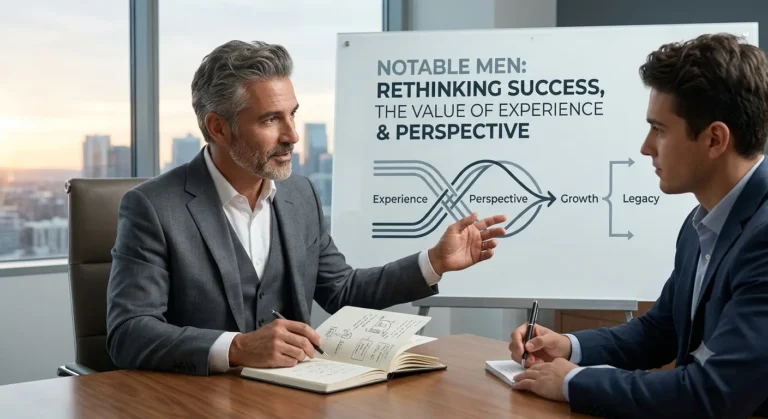
Career development is changing in ways that are easy to overlook. A strong resume and years of experience still matter, but professional growth is no longer shaped only by what happens inside the workplace. Conversations, digital communities, professional interests, and the ability to share useful knowledge can all influence how a career develops.
For many professionals, the challenge is not a lack of experience. It is finding meaningful ways to connect that experience with people, ideas, and opportunities. This makes modern networking less about simply meeting people and more about creating relationships around shared professional interests.
Notable Men LinkedIn reflects this changing approach by creating a professional connection point where individuals can discover updates, stories, insights, and opportunities related to professional recognition and editorial engagement.
Networking Is Becoming More Purposeful
Networking has sometimes been treated as a numbers game. More contacts, more messages, and more connections were often seen as signs of a successful network.
But professional relationships rarely work that way.
A large contact list does not automatically create meaningful career opportunities. A smaller group of people who understand your work, interests, and professional direction can often lead to more valuable conversations.
Purposeful networking begins with a simple question: What can this relationship contribute to both sides?
Sometimes the answer is knowledge. Sometimes it is an introduction, collaboration, advice, or simply a conversation that provides a different perspective.
This mindset makes networking feel less transactional and more natural.
Your Knowledge Can Become Part of Your Professional Identity
Professional identity is not limited to a job title.
Two people may have the same position but completely different experiences, approaches, and areas of knowledge. Sharing those perspectives can help others understand what makes an individual professionally distinctive.
For example, an entrepreneur might share lessons learned while developing a business. A senior executive might discuss leadership decisions that shaped their career. An emerging professional might offer a fresh perspective on changes taking place within their industry.
These contributions may appear simple, but they can gradually establish a recognizable professional identity.
Instead of repeatedly telling people what you do, useful knowledge allows your experience to speak for itself.
Recognition Can Begin With Being Useful
Recognition does not always start with a formal award or major public achievement.
Sometimes, it begins when people start remembering someone because of the value they provide.
A thoughtful insight can start a discussion. An informative article can answer someone’s question. A professional story can encourage another person facing a similar challenge.
Over time, these interactions can contribute to professional credibility.
This is one reason editorial storytelling has become increasingly relevant. It gives professionals an opportunity to communicate their experiences in a format that provides more context than a short profile or job description.
Why Professional Stories Need Context
A list of achievements can tell people what happened, but it does not always explain why it mattered.
Consider a professional who has launched several successful projects. A simple list may mention the projects and their outcomes. A deeper story could explain the problem behind each project, the decisions involved, the obstacles encountered, and the lessons gained.
That additional context changes how the achievement is understood.
It also makes professional content more relatable.
People rarely learn only from someone’s success. They can learn from the process that produced it.
Creating Connections Through Shared Interests
Not every professional connection needs to begin with a direct business opportunity.
Shared interests can be a much more comfortable starting point.
Professionals working in different organizations may discover common interests in entrepreneurship, leadership, innovation, business development, culture, or career development. Those shared interests can create natural reasons to communicate.
A professional LinkedIn presence can support these conversations by making relevant information easier to discover.
This is part of the broader purpose behind Notable Men LinkedIn – connecting professional audiences with editorial content, updates, recognition-related opportunities, and stories that highlight experience and achievement.
Continuous Learning Changes the Meaning of Growth
Professional growth is not always about moving upward.
Sometimes growth means becoming better at an existing role. Sometimes it means developing a new skill, understanding a different industry, improving communication, or learning how to lead more effectively.
This makes continuous learning an important part of modern professional life.
Networking can support that process because other professionals provide access to perspectives that may not be available through formal training. A conversation with an experienced leader can introduce a different approach. Following industry discussions can reveal emerging trends. Reading professional stories can provide lessons from experiences that are very different from our own.
Growth becomes more practical when learning is connected to real experiences.
Digital Presence Should Reflect the Real Professional
A professional profile should not feel like an advertisement.
People want to understand the person behind the experience.
That can include career milestones, areas of expertise, professional interests, lessons learned, projects, and ideas about the future. A balanced presence gives others a clearer picture of what someone brings to a professional conversation.
This is especially important for people whose work may not fit neatly into a single job title.
Founders, consultants, executives, creators, specialists, and independent professionals often develop careers across several areas. Their professional story may therefore communicate much more than a conventional position description.
Small Interactions Can Create Long-Term Value
Professional growth often develops through interactions that seem insignificant at first.
A short conversation can introduce a new idea. A comment can lead to a useful discussion. An interview can create a new connection. Sharing someone’s work can lead to collaboration.
There is no guarantee that every interaction will produce a career opportunity, and that is perfectly normal.
The value of networking comes from consistently participating in professional conversations rather than expecting an immediate return from every connection.
Over time, these small interactions can create a stronger understanding of your work and interests.
A More Balanced Approach to Professional Recognition
Modern recognition does not have to focus exclusively on prominent titles or highly visible achievements.
There is value in recognizing people for the knowledge they share, the problems they solve, the businesses they build, the teams they support, and the ideas they bring into professional conversations.
This broader perspective creates room for different types of professional journeys.
Someone does not have to follow a traditional path to have a meaningful career story.
That idea is particularly relevant to Notable Men, where professional experiences, achievements, perspectives, and individual journeys can be viewed as parts of a larger conversation about modern success.
Where Networking and Growth Meet
The strongest professional relationships often develop when networking, learning, and contribution happen together.
You meet people because of a shared interest. You learn from their experience. You contribute something useful in return. Over time, both sides gain a better understanding of each other’s work.
That is a more sustainable approach than networking only when you need something.
It also changes how professional recognition develops. Instead of constantly seeking attention, professionals can focus on creating work, sharing knowledge, participating in relevant conversations, and allowing their experience to become discoverable.
Looking at Professional Growth Differently
Professional growth is personal. Everyone moves at a different pace, faces different challenges, and defines meaningful progress differently.
For one person, growth may mean starting a company. For another, it may mean becoming a better leader. Someone else may value developing expertise, building useful relationships, or contributing new ideas to their field.
There is no single formula.
What matters is creating opportunities to learn, connect, contribute, and communicate your professional journey honestly.
Notable Men LinkedIn fits into this evolving professional environment by providing a dedicated connection point for people interested in professional stories, editorial content, updates, and recognition-related opportunities.
The future of networking may therefore be less about collecting contacts and more about building context around those connections. When people share knowledge, learn from experience, and communicate their journeys with greater clarity, networking becomes more than a career tactic. It becomes an ongoing part of professional growth.