The idea of leadership is changing quietly but significantly. A leader is no longer defined only by the number of people they manage or the position printed on a business card. In a professional environment shaped by technology, changing expectations, and constant competition, leadership is increasingly reflected in everyday decisions, communication, adaptability, and the ability to create trust.
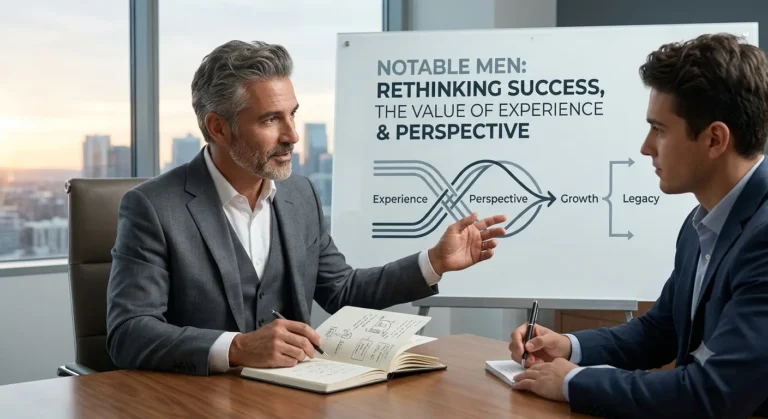
Notable Men offers a broader perspective on this changing professional landscape by highlighting individuals, ideas, and experiences that reveal how leadership and achievement can take different forms. Rather than focusing only on conventional markers of success, it creates room for understanding the thinking, expertise, and contributions that shape modern professional life.
Leadership is therefore becoming less about having authority and more about using influence responsibly. The same change can be seen in how professional achievement is understood. A successful career is not simply a collection of promotions, awards, or impressive titles. It can also be measured by the quality of decisions a person makes, the problems they solve, the relationships they build, and the value they bring to others.
The broader perspective creates a more realistic way to understand modern professionals and the qualities that help them stand out.
Leadership Begins With Better Decisions
Every professional makes decisions, but leadership becomes visible in the way those decisions are approached.
Modern workplaces often require people to make choices without having complete information. Markets change, customer expectations shift, technologies develop, and business priorities can move quickly. In such situations, leadership is less about always having the perfect answer and more about knowing how to evaluate information, consider consequences, and move forward responsibly.
Good decision-making also involves recognizing when an existing approach is no longer effective.
A professional who can reconsider an assumption, listen to a different viewpoint, and adjust a strategy demonstrates a form of leadership that may not appear in a job description but can have a lasting effect on an organization.
Adaptability Is Becoming a Professional Advantage
Few careers follow exactly the path people imagine at the beginning.
Roles change. Industries evolve. New tools appear. Skills that were highly valued several years ago may need to be complemented by new capabilities. Professionals who remain open to learning can respond to these changes more effectively.
Adaptability does not mean constantly changing direction. Instead, it means understanding when change is necessary and responding without losing sight of long-term goals.
For emerging professionals, this can be an important lesson. Building a career is not about predicting every future development. It is about developing the confidence and willingness to learn when circumstances change.
Trust Has Become Part of Professional Value
In a highly connected professional world, trust has considerable value.
People work with individuals they believe will communicate honestly, meet commitments, respect others, and take responsibility when something goes wrong. These qualities may not always produce immediate recognition, but they can influence long-term professional relationships.
Trust is built through repeated actions.
A leader who gives clear expectations, acknowledges mistakes, recognizes the contributions of others, and communicates consistently can create a stronger working environment. Similarly, an independent professional can strengthen their reputation by being reliable and transparent.
This makes character an important part of professional achievement.
The Ability to Listen Matters More Than Ever
Leadership is often associated with speaking, presenting, directing, or persuading. Yet listening can be equally important.
Professionals interact with colleagues, clients, employees, partners, and audiences who may have different experiences and expectations. Listening carefully can reveal problems that might otherwise remain unnoticed.
It can also improve decision-making.
A leader who listens does not necessarily agree with every opinion. Instead, they create room for information and perspectives that can improve their understanding of a situation.
In this sense, effective communication is not simply about delivering a message. It is about creating a meaningful exchange.
Professional Identity Is Moving Beyond a Job Title
A job title tells people what someone does, but it rarely explains how they work.
Two people with the same position can have completely different professional identities. One may be known for analytical thinking, another for creative problem-solving. Someone else may be recognized for mentoring colleagues or developing strong client relationships.
This is why professional identity increasingly depends on a combination of expertise, behavior, communication, and values.
For individuals building their careers, this creates an opportunity to think beyond titles. What do they want to be known for? Which skills do they consistently demonstrate? What type of contribution do they want to make?
These questions can help create a more meaningful professional direction.
Visibility Needs Substance
Digital channels have made professional visibility easier. People can publish ideas, discuss industry developments, present their work, and connect with professionals across geographic boundaries.
But visibility alone does not necessarily create professional value.
What matters is what people find when they encounter someone’s professional presence.
Useful knowledge, clear communication, thoughtful opinions, relevant experience, and evidence of genuine work can create a stronger impression than constant self-promotion. This is particularly relevant when professionals use LinkedIn to communicate with their wider network.
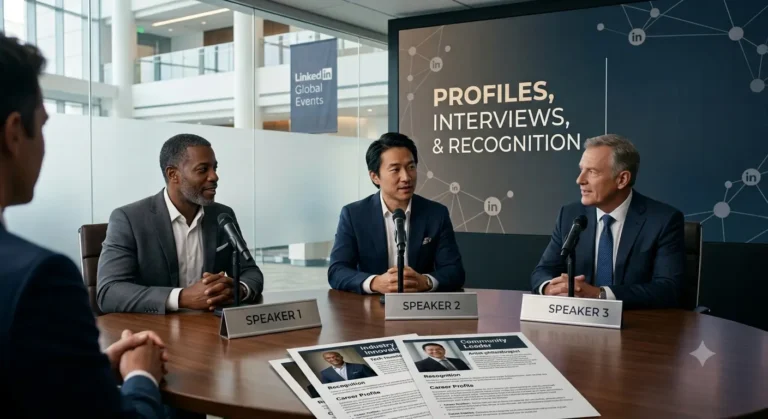
The Notable Men Linkedin presence provides an avenue for editorial communication, professional highlights, and stories connected with achievement and experience.
The goal of visibility becomes more meaningful when it gives audiences something useful to understand or remember.
Achievement Can Be Quiet
Not every meaningful professional contribution receives public attention.
A manager who helps a new employee develop confidence may never receive an award for it. A specialist who improves an internal process may not become widely known. A business owner who creates stable opportunities for a small team may have an impact that is visible mainly to the people around them.
These contributions still matter.
Looking beyond conventional recognition allows professional achievement to include the less visible work that supports people, organizations, and communities.
This does not reduce the importance of major accomplishments. Instead, it provides a wider and more balanced understanding of what achievement can mean.
Technology Is Changing the Skills Leaders Need
Technology is influencing almost every professional field, but technological knowledge is only one part of the change.
Leaders also need to understand how technology affects people, workflows, communication, and decision-making. The ability to learn new tools is valuable, but so is knowing when a technology genuinely solves a problem and when it simply adds complexity.
This requires judgment.
As artificial intelligence and other digital technologies become increasingly integrated into professional environments, human qualities such as critical thinking, context, communication, creativity, and accountability remain important.
The strongest professional approach is therefore not technology versus human capability. It is understanding how the two can work together effectively.
Professional Achievement Is Becoming More Personal
Career success does not look identical for everyone.
One person may measure progress through business growth. Another may value expertise, independence, meaningful projects, leadership opportunities, or the ability to create a positive working environment.
Recognizing this diversity makes professional conversations more authentic.
Rather than asking whether someone has achieved enough, it can be more useful to ask what they have built, learned, contributed, or improved.
This shift makes professional achievement less about comparison and more about understanding individual progress.
A Broader View of Modern Leadership
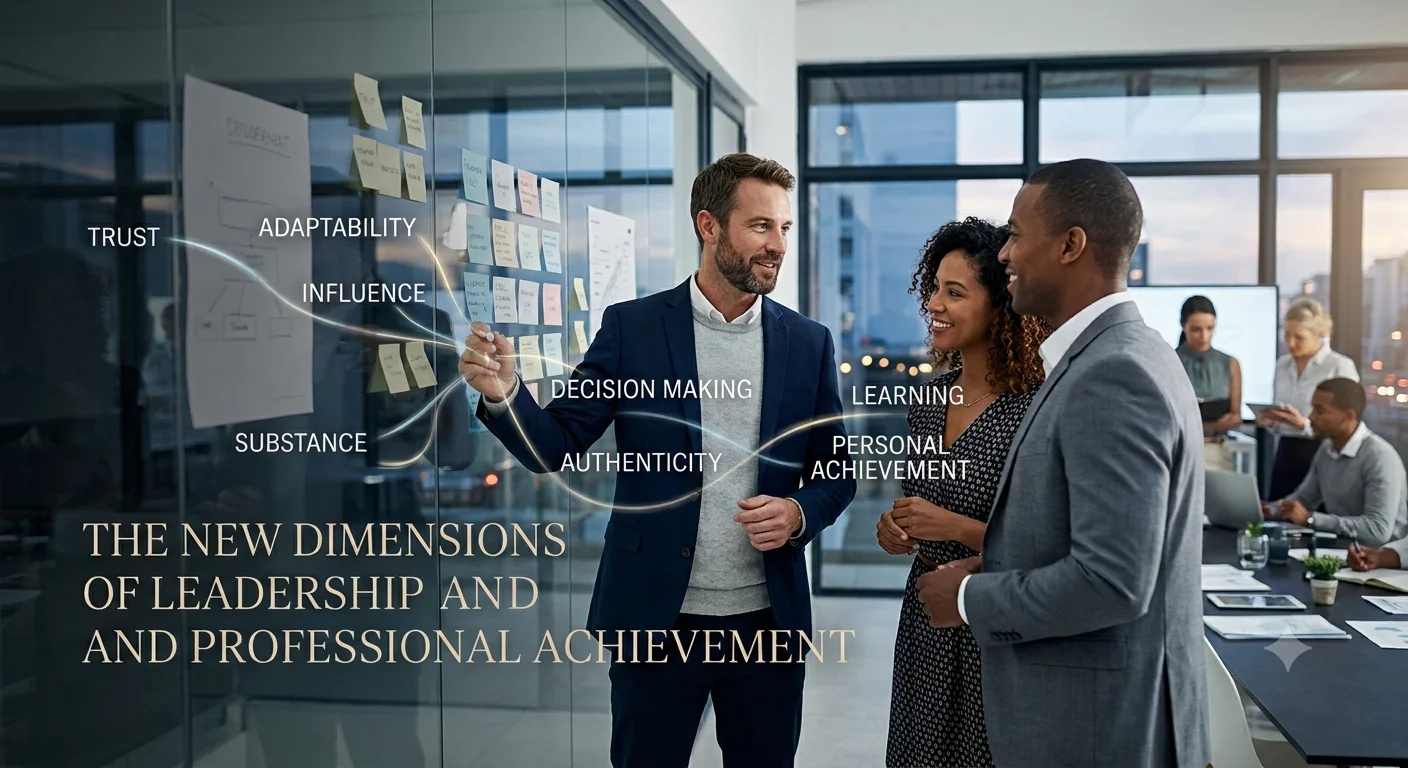
The new dimensions of leadership are not based on one skill or personality type. They emerge from several qualities working together: sound judgment, adaptability, communication, accountability, curiosity, and the willingness to keep learning.
Professional achievement is changing in a similar way. It is increasingly connected to contribution rather than appearance, substance rather than titles, and lasting value rather than short-term visibility.
Notable Men provides a space for examining these broader dimensions of professional life by bringing attention to people, ideas, experiences, and perspectives across business, entrepreneurship, leadership, lifestyle, and culture.
As professional environments continue to evolve, the people who stand out may not simply be those with the biggest titles. They may be the individuals who make thoughtful decisions, remain open to change, earn trust, share useful knowledge, and create value in ways that extend beyond their immediate role.
That is what makes modern professional achievement worth looking at from a wider perspective.